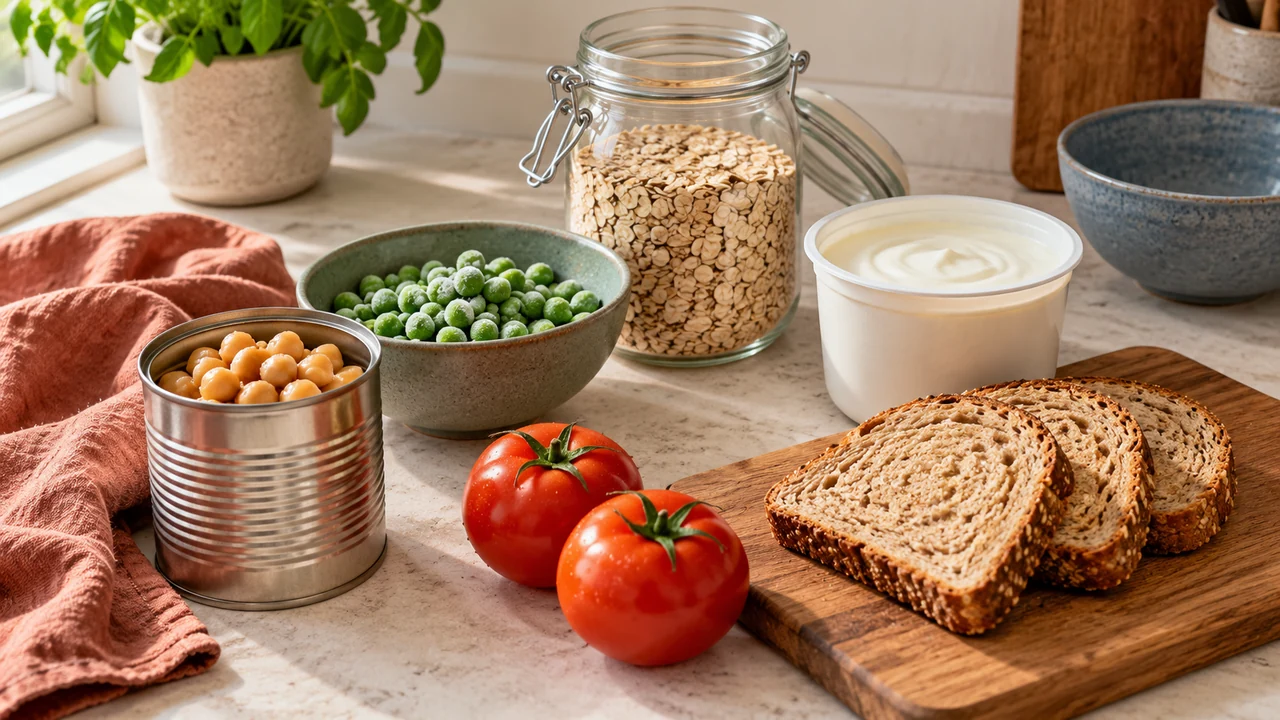

Almost everything you eat has been processed in some way. Milk is pasteurized, oats are rolled, peas are frozen soon after picking. So the useful question is rarely "is this processed?" but "how was it made, and how does it fit into my week?" This guide covers how researchers describe processing, where that thinking is debated, and how to use it at the store without turning meals into a test.
- Processing sits on a wide spectrum: frozen vegetables, canned beans, plain yogurt and rolled oats are convenient staples that public health guidance supports.
- Researchers often use the four-group NOVA system to study ultra-processed foods, though specialists and regulators still debate how consistently it classifies products.
- At the store, compare similar items using the ingredient list (ordered by weight) and the Nutrition Facts label for sodium, saturated fat and added sugars.
- On busy training days, pair convenient items with minimally processed foods rather than aiming for an all-or-nothing pantry overhaul.
Processing is a range, not a verdict

Processing simply means changing a food from its original state: washing, cutting, freezing, drying, canning, fermenting, cooking or combining ingredients. Many of those steps make eating well easier: frozen vegetables keep for weeks, canned beans save hours of soaking and simmering, and plain yogurt is milk that has been cultured.
Public health guidance reflects this. The WHO healthy diet fact sheet calls fresh fruit and vegetables great choices and says frozen and canned versions are also good, as long as they do not come with added sugars or excess sodium. The current US Dietary Guidelines make a similar point about frozen, dried and canned produce with little or no added sugar.
- Frozen vegetables and fruit without sauces or syrups
- Canned beans, lentils and chickpeas
- Plain yogurt, milk and cheese
- Rolled oats, whole-grain pasta and brown rice
- Canned fish such as tuna, salmon or sardines
NOVA: one way researchers sort foods
Much of the recent research on "ultra-processed" foods uses a system called NOVA, developed by researchers at the University of São Paulo. It sorts foods into four groups by how, and why, they were processed: unprocessed or minimally processed foods, culinary ingredients such as oils, butter, sugar and salt, processed foods such as canned vegetables or simple breads and cheeses, and ultra-processed foods.
Freezing, pasteurizing and fermenting count as minimal processing in NOVA, so plain frozen vegetables and plain yogurt sit in the first group. Ultra-processed products are mostly industrial formulations. Its authors suggest a practical marker: an ingredient list containing substances rarely used in home kitchens (such as high-fructose corn syrup or hydrogenated oils) or additives used mainly for taste, texture or appearance (such as flavors, colors, emulsifiers, sweeteners and thickeners).
NOVA is a research framework, not a legal label you will find on packaging.
Related read: Healthy Eating That Fits Your Everyday Life
Where the framework is still debated
NOVA is widely used, and it is also criticized. In a 2022 study, more than 150 French food and nutrition specialists were asked to sort the same foods into NOVA groups. Their agreement was low, even when ingredient lists were provided, and the authors concluded that the criteria did not allow consistent classification.
Other researchers have argued that the ultra-processed group is too broad to build everyday dietary advice from, because it mixes very different products. Because NOVA flags certain additives regardless of the rest of the recipe, a packaged whole-grain bread made with an emulsifier can land in the same group as candy.
Regulators are still working on it too. In July 2025 the FDA and USDA asked the public for information to help develop a single US definition of ultra-processed foods, and the FDA notes that many questions remain about how and why these foods may affect health.
What one carefully controlled study found
A frequently cited experiment comes from the US National Institutes of Health. In 2019, Kevin Hall and colleagues housed 20 adults at the NIH Clinical Center, where each ate an ultra-processed diet and a minimally processed diet for two weeks apiece, in random order. The meals on offer were matched for calories, sugar, sodium, fiber and macronutrients, and people could eat as much or as little as they liked.
On the ultra-processed diet, participants ate about 500 more calories a day on average, and their body weight shifted in line with what they ate.
The study has real limits, and the authors describe them. It was small and short, took place on a research ward where food was free and chosen for participants, and was not designed to show why intake differed. Leaving drinks aside, the ultra-processed meals were also more energy dense. Larger observational studies link diets high in highly processed foods with poorer health outcomes, but studies of that kind show associations rather than cause and effect.
Using the idea at the store
You do not need to classify every food. Two parts of the package already answer most practical questions.
- The ingredient list. US rules require ingredients to be listed in descending order by weight, so the first few make up most of the product.
- The Nutrition Facts label. FDA guidance treats 5% Daily Value or less per serving as low and 20% or more as high, and names sodium, saturated fat and added sugars as nutrients to get less of.
- Similar products side by side. Pasta sauces, protein bars and cereals can differ a lot, so compare them per serving and check that serving sizes match.
The current US Dietary Guidelines advise limiting highly processed salty or sweet packaged foods, such as chips, cookies and candy, along with sugar-sweetened drinks, and favoring nutrient-dense foods and meals made at home.
Convenience on training days
If you train early, late or between commitments, convenient food has a place. A protein shake, a bar or a ready meal can be the difference between eating after a session and skipping a meal. Compare labels, and build most other meals around foods still close to how they were grown or raised.
One easy pattern is to pair a convenient item with a minimally processed one: a ready-cooked grain pouch with frozen vegetables and eggs, or a packaged wrap filled with canned beans, salsa and fresh greens.
Time, budget, cooking space and culture all shape what is realistic, so aim for small shifts you can keep rather than a pantry overhaul.
Try it: an optional ten-minute pantry bowl
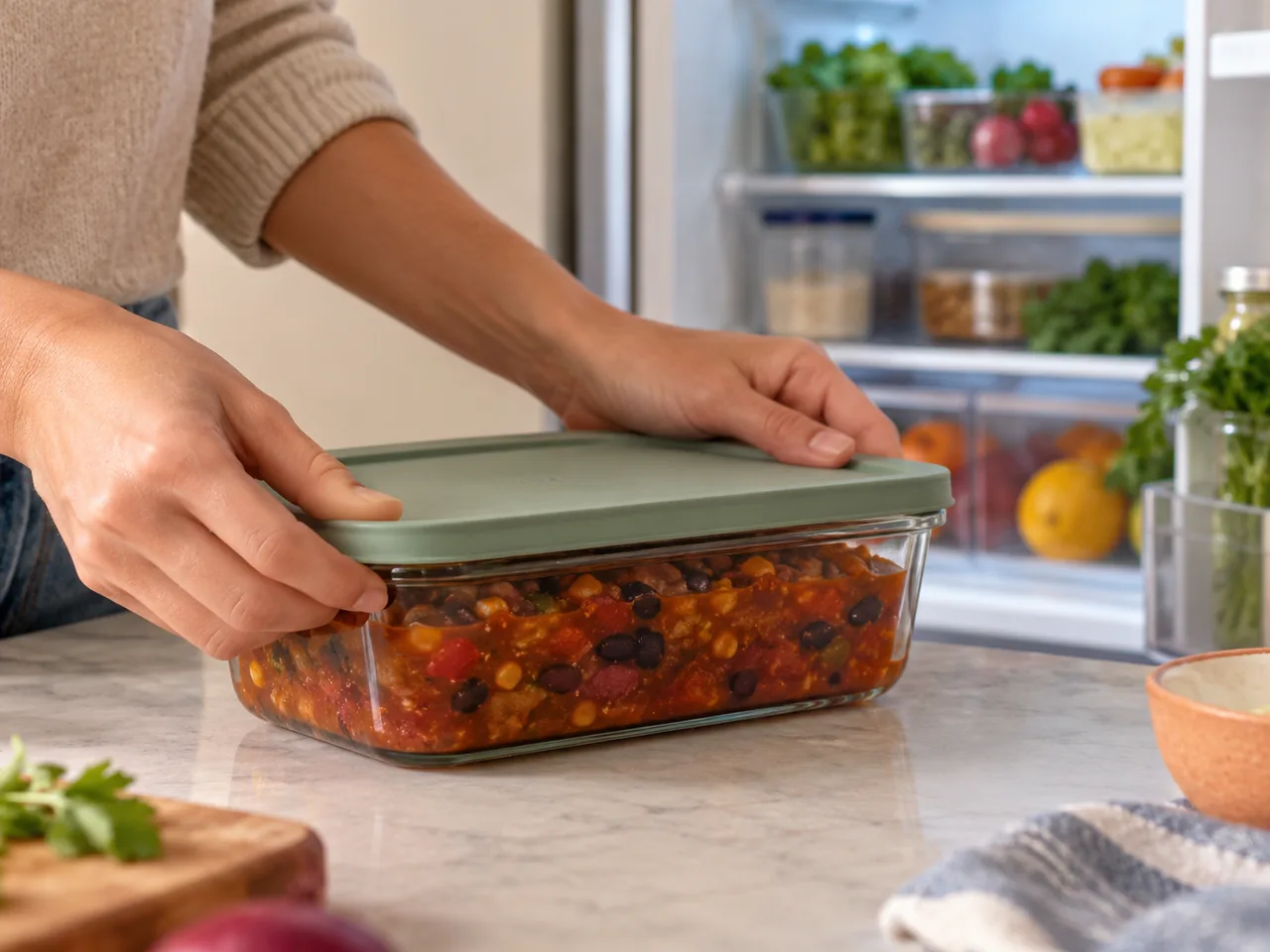
Heat a bag of frozen mixed vegetables, rinse a can of chickpeas or black beans, and add leftover or quick-cook rice. Top it with plain yogurt stirred with lemon juice, garlic and herbs. Every ingredient has been processed in some way, and together they make a filling meal after training. Swap anything for allergies or taste; portions are up to you.
Sources
- WHO: Healthy diet fact sheet
- USDA and HHS: Dietary Guidelines for Americans, 2025-2030 (January 2026, PDF)
- Monteiro et al. Ultra-processed foods: what they are and how to identify them. Public Health Nutr 2019
- Braesco et al. Ultra-processed foods: how functional is the NOVA system? Eur J Clin Nutr 2022
- Gibney et al. Ultra-processed foods in human health: a critical appraisal. Am J Clin Nutr 2017 (abstract)
- FDA: Ultra-processed foods
- Hall et al. Inpatient randomized controlled trial of ultra-processed versus unprocessed diets. Cell Metab 2019
- eCFR: 21 CFR 101.4, designation of ingredients on food labels
- FDA: How to understand and use the Nutrition Facts label
Written from primary sources. Review by a qualified professional is pending. General information, not medical advice. Links are to primary sources and are not endorsements of LiftIQ. Photos are illustrative.
Related guides


Keep exploring
Read as much as you like. An account is for following your own plan and progress.